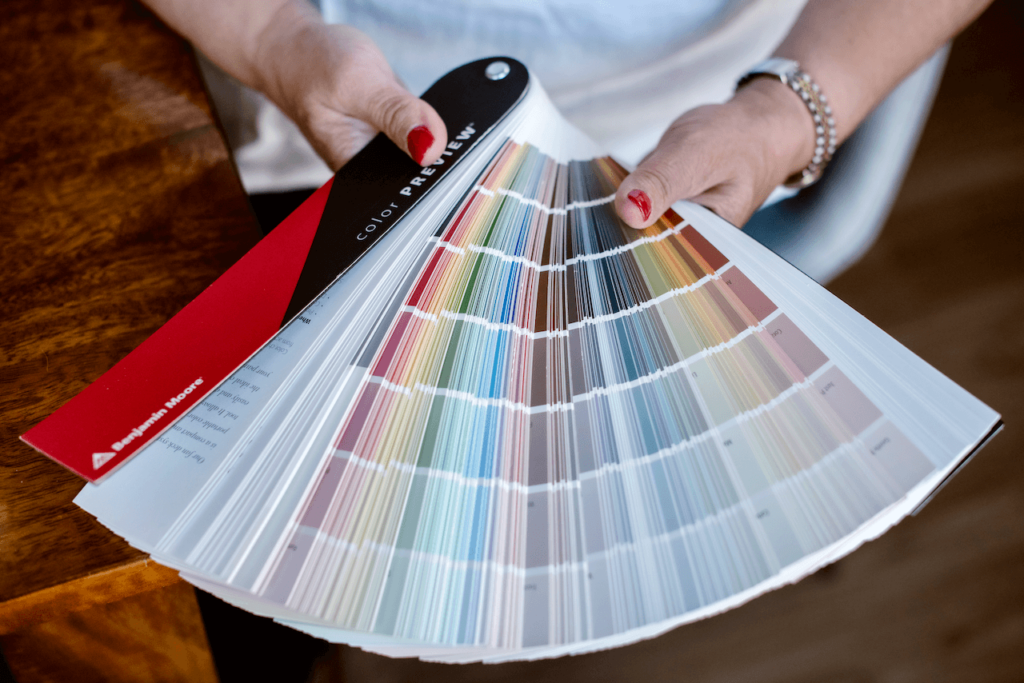
Want to learn how to choose interior paint colors like a color consultant? In this guide, our paint pros are sharing the expert strategies we’ve developed after picking hues for thousands of clients over 8 years.

Choosing paint colors for your home can be completely overwhelming. Whether you’re researching colors online or exploring all the paint swatches at the local paint store, the sheer number of options may be enough to stop your project in its tracks.
But with some simple strategies, you can simplify the paint selection process and bring your home to life with the perfect paint colors. Keep reading for our best color consultant tips.
*This post contains affiliate links for products I use and love. If you click on some links and make a purchase, I will get a small commission at no cost to you. This helps pay for the costs of the blog, so I can continue to offer great content to our readers.
About The Color Concierge
Our Colorado-based paint color consultants make finding the right paint colors for your home easy. Whether you’re painting the exterior or interior of your home, our simple yet effective process lets us get your paint color right the first time. We’ve helped thousands of homeowners transform their homes into a space they love. Learn more about ONLINE COLOR CONSULTATIONS today.
10 Tips to Choose Interior Paint Colors Like a Pro
Whether you’re designing a whole-house color palette (Article) or picking a paint color for a bedroom (Article) accent wall, these techniques will help you make the right choice the first time.
Don’t Choose a Paint Color Your Friend Loves
This might sound like strange advice, but it’s actually one of my best tips. This doesn’t mean you shouldn’t ask a friend for their opinion. Instead, it means that just because a friend loves and recommends a specific color – and it looks beautiful in their home – it’s not guaranteed to look that good in your home.
Every home is different, from its lighting and decor to hard finishes like flooring. A color you love on the swatch or in your neighbor’s living room may look discordant in your living room. Pick a color that works for your space, instead, and you’ll fall in love with the room.
Decorate First. Choose Paint After.
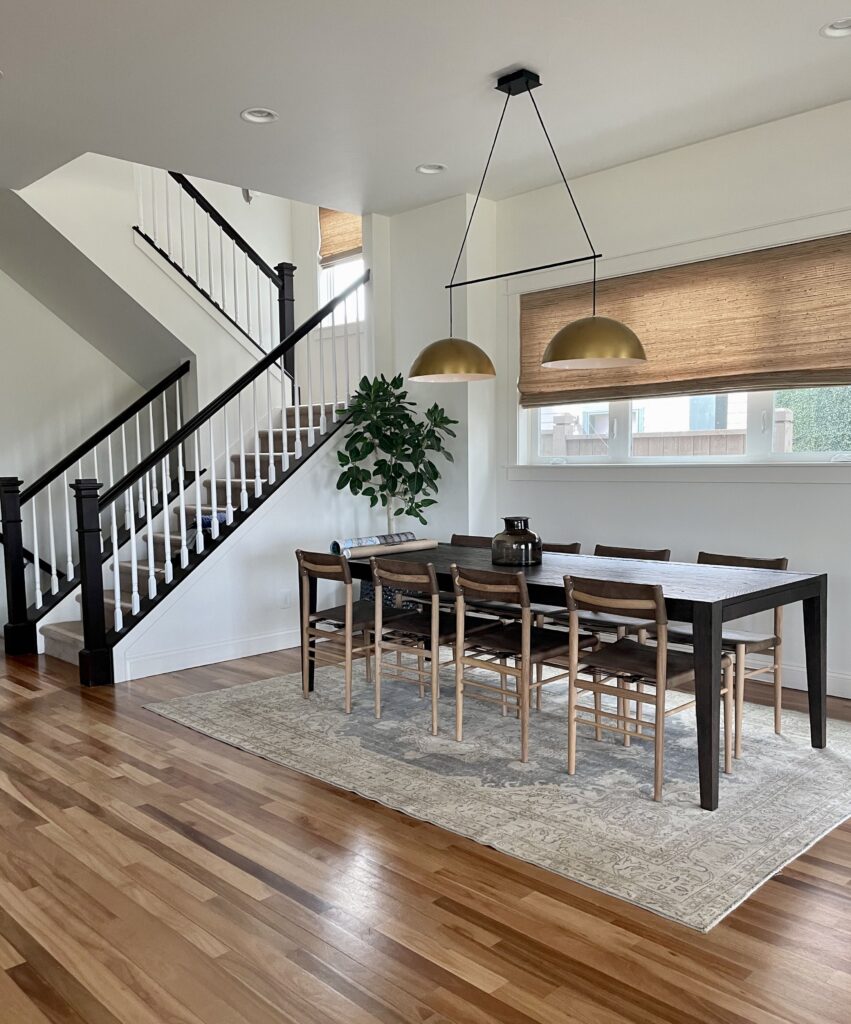
Even if you’re starting a room over from scratch with a major renovation or choosing paint colors for a new build, you should still choose your paint colors after your decor and hard finishes. It’s much easier – and less limiting – to pick a paint color that matches a new furniture set than to try to do it the other way around.
Let Your Kitchen Be Your Guide.
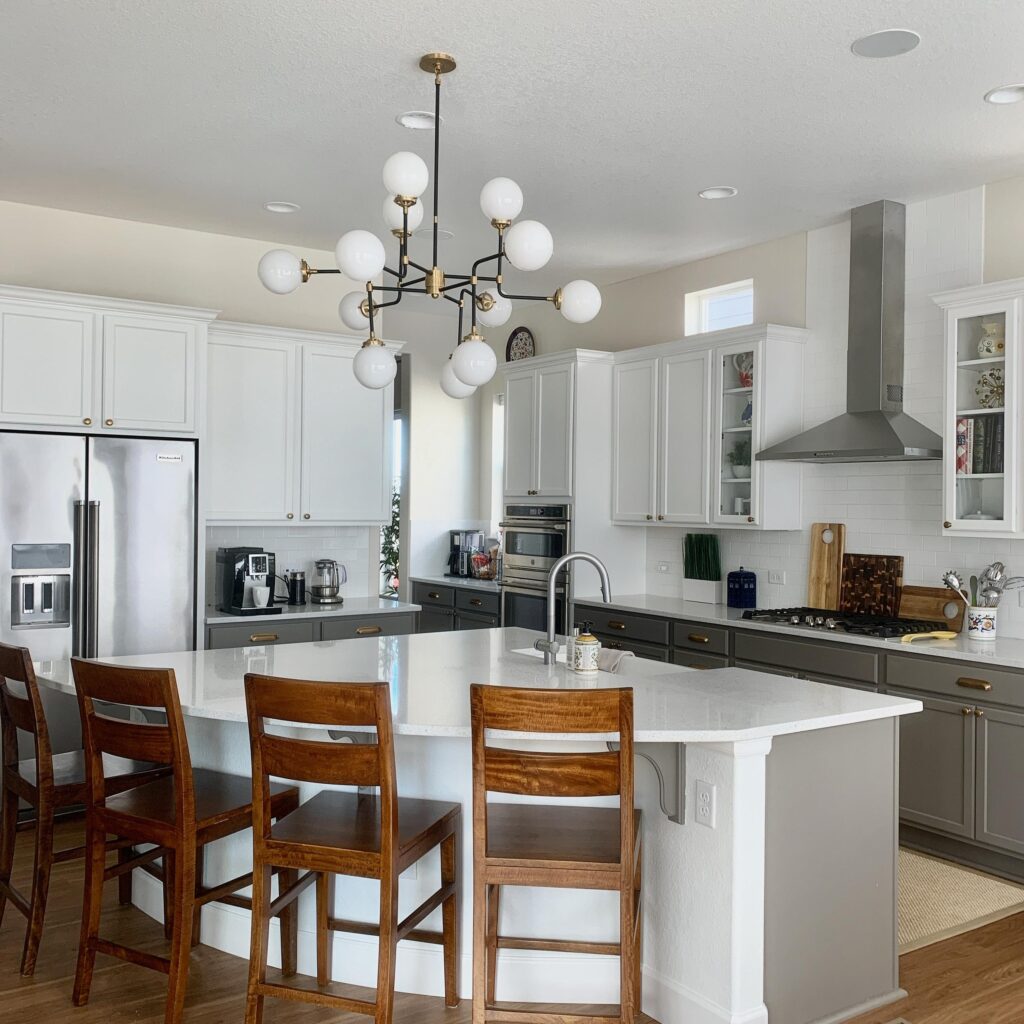
Your kitchen is the heart of the home, and its colors and finishes can lay the foundation for a whole-house paint color palette and open-concept spaces.
If you have white cabinets (Article), it’s typical to match your trim and ceiling paint colors (Article) to the color of your cabinets. That same white can also be used as a foundational white paint color in a color scheme.
If your cabinets aren’t white, your countertop can be the guide. Lighter quartz countertops call for a brighter, clean white or off-white trim. Earthier granite countertops, on the other hand, look best with off-white or creamy white paint colors.

Choose Accent Colors Based on Hues in Your Space.
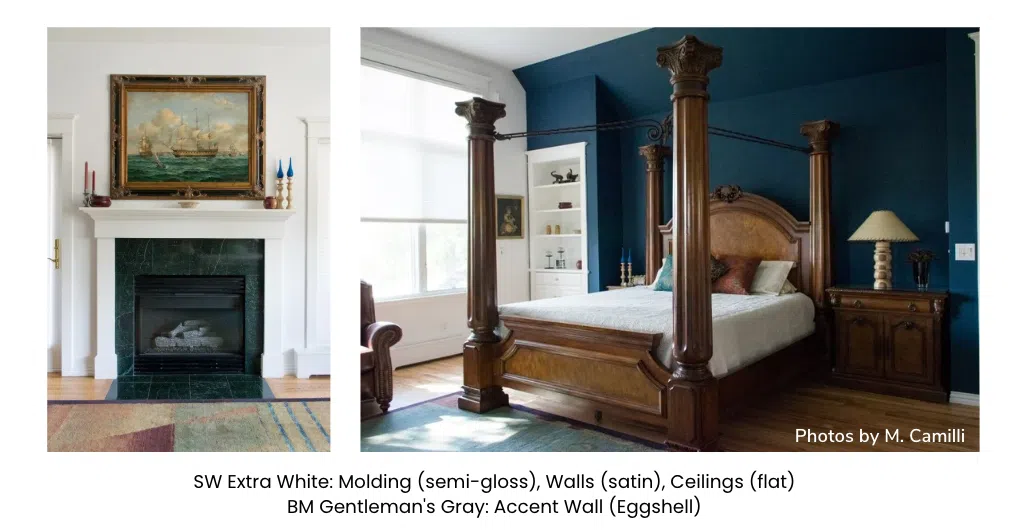
Want to paint an accent wall (Article) in one of your rooms? Look at the colors already in your space to help pick the best hue. Pull accent colors from bold hard finishes like tile, from your favorite furniture pieces or from a piece of art in the room.
In the bedroom below, for example, we used the painting above the fireplace as inspiration for the deep blue-green Benjamin Moore Gentleman’s Gray accent wall behind the bed.
Consider Your Whole-House Color Palette
If you’re picking a paint color for a single room or accent wall, it’s important to consider your choices in the context of your whole home. While an accent wall or room doesn’t need to be similar to the other colors in your home, it shouldn’t look discordant or out of place.
One of my favorite simple tips is to create a Pinterest board with photos of your actual home – paint colors, furniture and decor included. Then, add in your paint color options to the board and see how they fit with the palette overall.
Don’t Try To Make a Custom Color
If you like a paint color from one brand, don’t try to recreate it with another. Put simply, don’t try to copy a Sherwin-Williams paint color with Benjamin Moore paint. We don’t recommend lightening or darkening a paint color, either. The paint matching (Article) process is manual and often inaccurate.
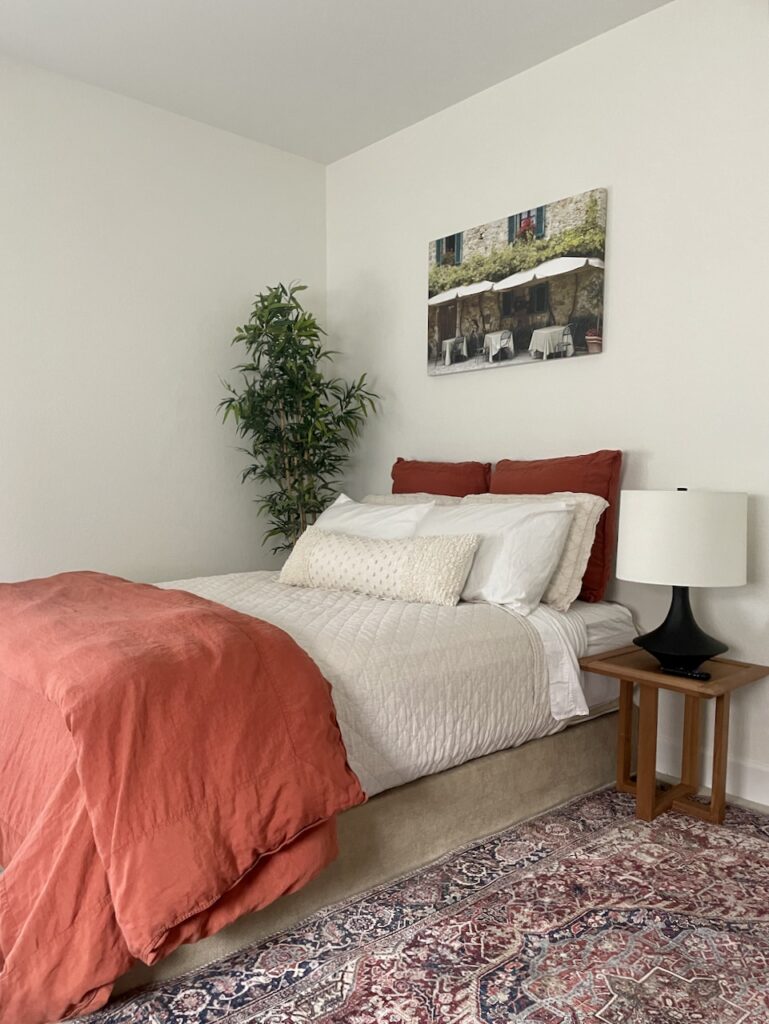
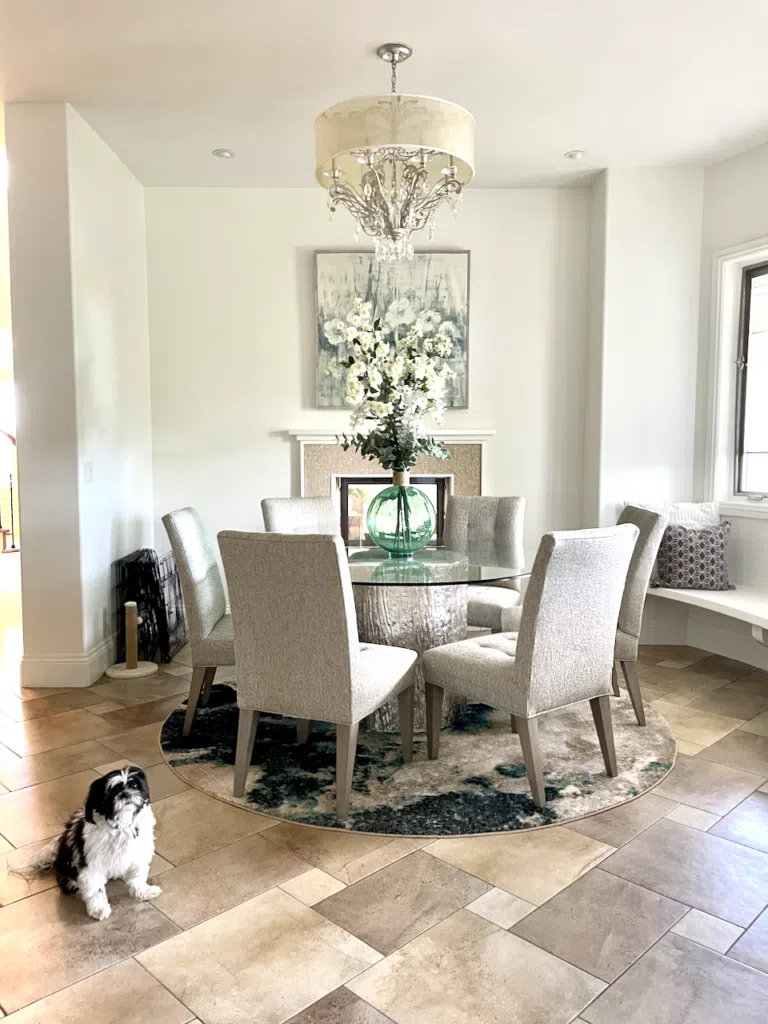
Instead, work to find a pre-existing paint color in the brand you plan to use that is the closest match to the color you want. We always recommend similar paint colors in our paint color reviews to make this process easier. Like SW Alabaster (Article) but need to use Benjamin Moore paint, for example? Try Benjamin Moore Swiss Coffee (Article).
Pay Attention to the Color Wheel
One of the best ways to make choosing paint colors easier is to build at least a basic understanding of the color wheel and undertones. When you know how colors relate to one another, it becomes much easier to spot what’s actually happening beneath the surface of a paint color. Instead of guessing (or hoping for the best), you can make more confident choices that work with your home’s fixed finishes and lighting.
When you understand where a color sits on the wheel, you can better predict how it will behave and what it will pair well with – especially when it comes to coordinating paint colors with wood tones, stone, tile, and other finishes in your home.

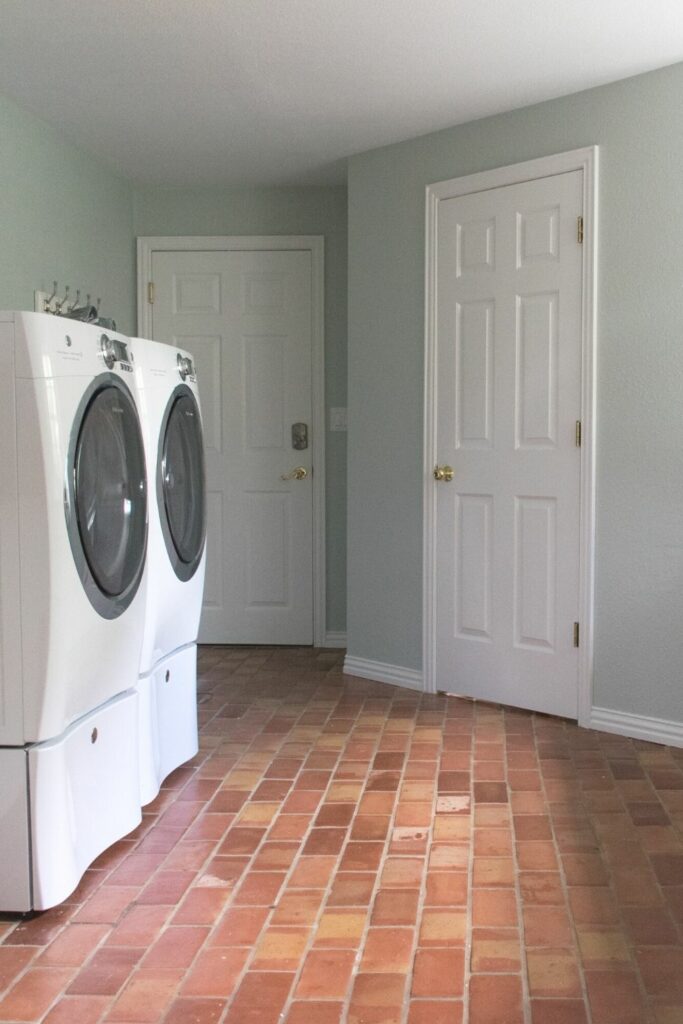
One of my favorite strategies is to use complementary colors – ones that sit opposite on the color wheel – in the same space. This really helps bring a room to life! In the laundry room below, for example, Sherwin-Williams Sea Salt walls with strong green undertones nicely complement the red terracotta floors.
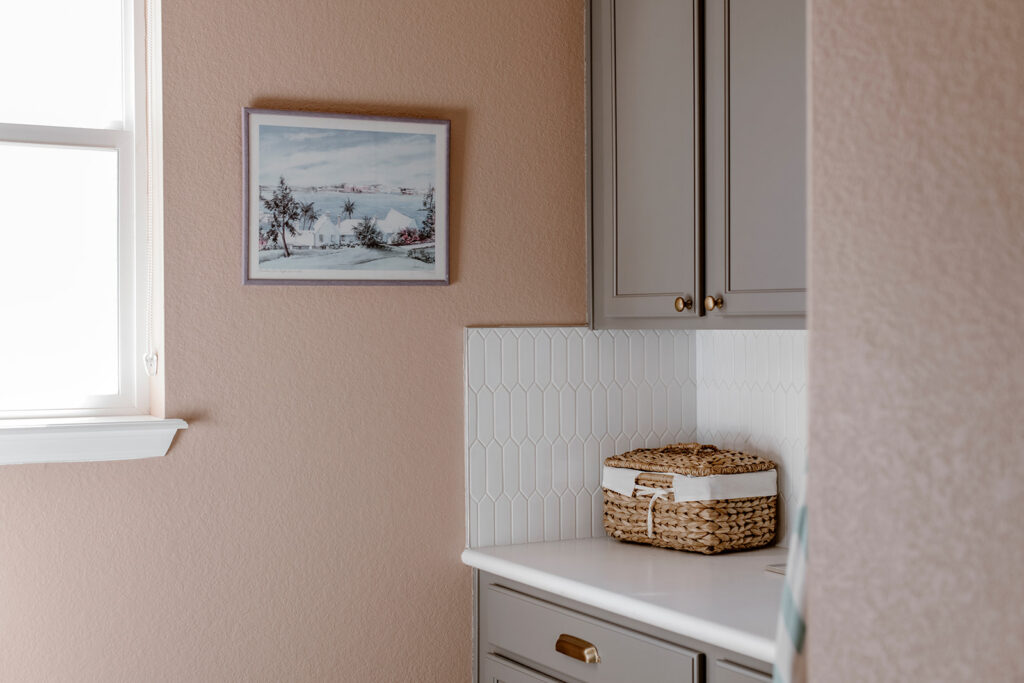
And in my current home’s laundry room, SW Pinky Beige walls complement the BM Chelsea Gray cabinets and bring the otherwise basic room to life!
Test Paint Colors Like a Pro
One of the most important parts of choosing paint colors is testing them in your home. This is an absolutely critical step and should never be skipped – even if you’re convinced you’ve found the perfect hue.
You can explore our full guide to testing paint like a pro, but below are a few of our top tips:
- Test paint colors in daylight: Natural light is critical to test the undertones of your paint colors. If a paint color works in natural light, it will work with artificial light, too.
- Take your time: Give yourself at least one day to make your decision. Test the paint colors at different times of the day. Morning, noon, and evening light varies, making the color look different.
- Take photos with your mobile phone: When testing interior paint colors, try taking photos of your tests with your mobile phone. The colors are really accurate, and it’s a great way to check your work. Just ensure you don’t use flash and instead rely on natural light.
Get Better Paint Samples
Because testing is so important, the quality of your paint samples is critical too. That’s why we love using Samplize peel-and-stick samples. Their large 9”x14” samples come pre-painted with two coats of real paint and are delivered overnight.
The colors are accurate and it’s less expensive and messy than painting a large poster board with sample pots of paint. Even better – you can move the peel-and-stick paint samples around your home to try out colors in different rooms or next to specific finishes, making the testing process so much easier.
Shift Your Undertones
If you’ve used all these tips and tested paint colors and the ones you thought you’d like still don’t look quite right, it could be as simple as shifting your undertones. Gray paint colors are great examples of this. On their own, it can be hard to see their undertones. But once they’re next to hues with different undertones, they become much clearer.
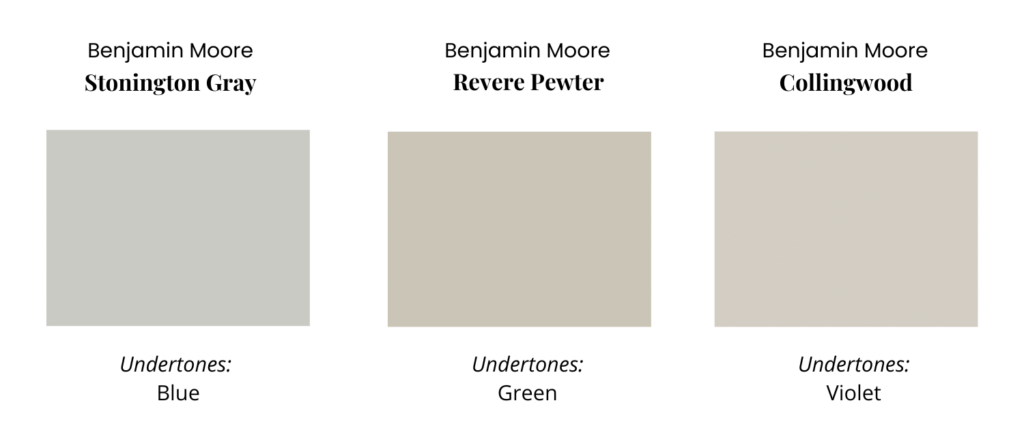
If the color you’re testing looks too cool in your space, try a warmer gray with violet or green undertones. If they look too warm, consider a gray with blue undertones.
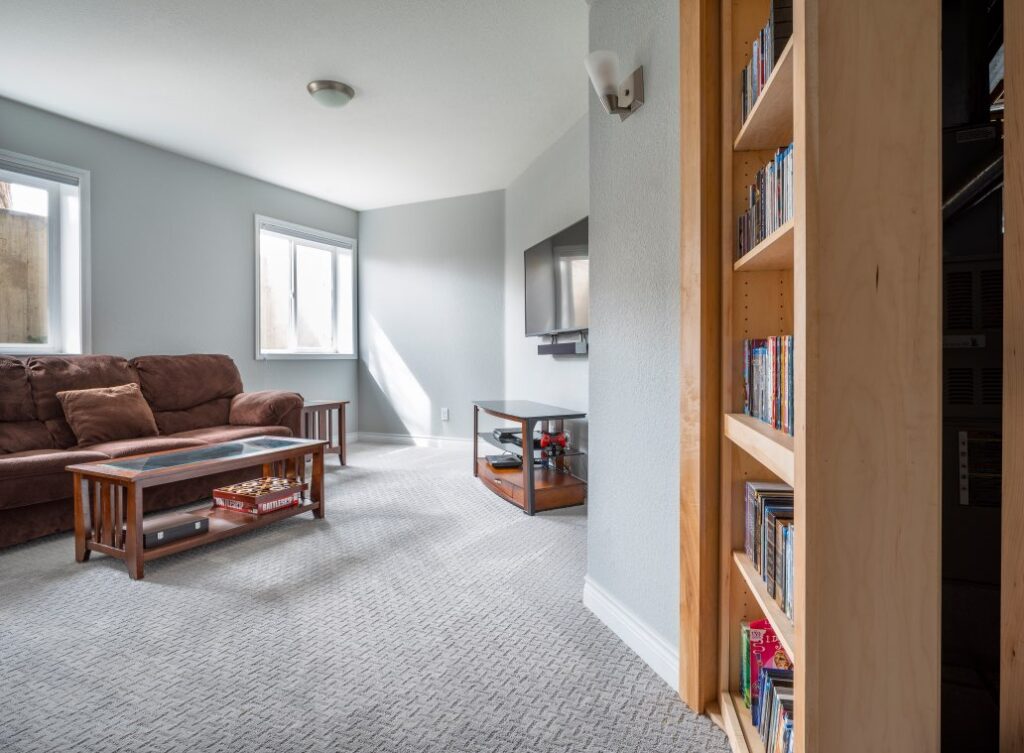
The basement room below, for example, is painted with BM Stonington Gray (Article). Because of the basement’s cool light, it looks more like a light blue than a gray. If you liked this color, then great! But if it felt too cold, you could try a gray paint with green undertones instead.
Let Go of Preconceived Ideas
This is my final and potentially best piece of advice for how to choose interior paint colors: let go of any specific color ideas you have. Maybe the color you think you love will work great. But maybe it will look totally wrong. When you take the emotion out of the decision and go based on what truly works for your space, it becomes a lot easier to choose great colors.
How a Paint Color Consultant Can Help
These tips will help make choosing your own paint colors easier, but the process can still be a lot to manage as a homeowner. That’s where hiring a paint color consultant like the team at The Color Concierge can help.
As paint color consultants, we can review your room, your finishes and decor, and the vision you have for the space, and then narrow down your paint color options to reduce the overwhelm. Instead of testing dozens of colors, we’ll send you just a few best options and help you test them in your home. Then, we’ll assist with choosing the best one for your project.
Learn more about our in-person paint color consultations in Denver or an online paint color consultation today!

Key Learning Points
Choosing paint colors doesn’t have to be overwhelming. Using some basic color consulting strategies can help, including:
- Don’t just choose a color you like, choose a hue that complements your lighting, hard finishes, and decor.
- Pay attention to undertones, which have a big impact on how a color actually looks in a space.
- Always test your paint colors carefully. This will save you from buying the wrong color and wasting time and money.
Remember: NEVER, EVER use paint matches from a different brand than the one specified. Results are poor and there are no standards for the sheens. Even though your painter may truly believe it can be done, don’t do it. See results from paint matching here.
No matter what, always test your paint colors. It’s a standard best practice. Whenever I test my paint colors, they are perfect, and when I don’t test they turn out wrong. Learn how to test your paint colors here.
Online Color Consulting
Do you still need help picking the best paint colors? Discover our Online Color Consulting Package.
Related Posts:
- Test Paint Colors Like a Pro
- How to Choose the Best White Paint Colors Like a Pro
- Ultimate Guide to Accent Wall Paint Colors
- Top Paint Color Trends for 2026
About the Author

Hi, I’m Michelle Marceny, founder, owner, and Principal Color Designer at The Color Concierge. I believe a fresh coat of paint can completely transform a space. The Color Concierge was born out of my drive to help clients fall back in love with their homes. My clients trust me to help them find the perfect paint color for their home – whether it’s a whole-house paint color scheme or ideas for a single room.
Since The Color Concierge was founded in 2017, we have completed over 3000 color consultations, both online and in-person. I am a Certified Color Expert with 7 years of experience creating interior and exterior color palettes throughout North America.
We love your comments! Please note that the blog is meant as general advice, and it is not possible to give out specific answers to your paint questions. If you want more specific advice, please consider purchasing a color consultation. Thank you for your understanding.